
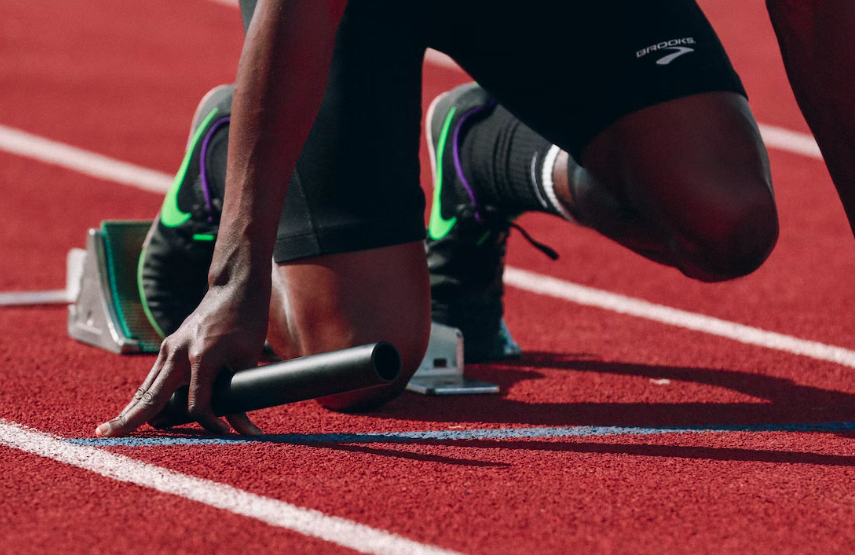
Besides its use in skin treatment, you may be surprised to learn that PRP was originally used within sports medicine to treat high-profile athletes including Kobe Bryant and Tiger Woods suffering from sports injuries.
PRP for sports injuries is designed to target soft tissue injuries, including around tendons and ligaments where the healing process is known to stall, causing prolonged injuries. Research has demonstrated very positive results, with PRP actively encouraging the body to produce collagen and retrigger the body’s healing process in these slower areas.
PRP treatments can be used to treat injuries such as:
• Tennis elbow
• Golfer’s elbow
• Early osteoarthritis
• Chronic muscle injuries
• Chronic ligament injuries (including on the knees, ankles, elbows, and wrists
• Chondral injuries
How to Use PRP For Sports Injuries
During a PRP treatment, you will begin by extracting blood from the patient’s arm, like a regular blood test. This blood can then be placed in a special centrifuge which spins to separate the blood from its key components.
Naturally, human blood contains several key nutrients that play a pivotal role in supporting overall body functionality. These nutrients include:
Plasma – a yellowish substance known to carry salts, water, and other nutrients around the body.
Platelets – to support healthy blood coagulation, which allows wounds to seal following bleeding.
Growth Factors – these are vital proteins to support health and help regenerate damaged tissue.
Once separated from the blood, each of these key nutrients is injected into the designated treatment area. In sports science, the use of ultrasound may be required for accuracy. Depending on the severity of the injury, and the location patients may need to have more than one treatment for the best results. These treatments should be spaced within several weeks of each other to allow for adequate tissue healing.
Once symptoms begin to improve, PRP treatments can stop. However, it may be advisable to couple treatment with a rehabilitation programme to further support the tissue in regaining its strength and flexibility.
As PRP uses nothing but one’s own blood, with no additional additives, it is not considered to carry a complication risk and requires no downtime following treatment.
Following treatment, the treatment area may appear slightly red with some bruising. This will heal within a couple of days and is no cause for concern.
PRP is considered safe for all skin types, ages, and ethnicities, however, it should be discussed with a medical professional as there are some medical conditions in which PRP may not be advised, including:
– Pregnancy
– HIV/ Aids
– Cancers of the blood and skin
– Cardiovascular disease that requires the use of blood thinners.