
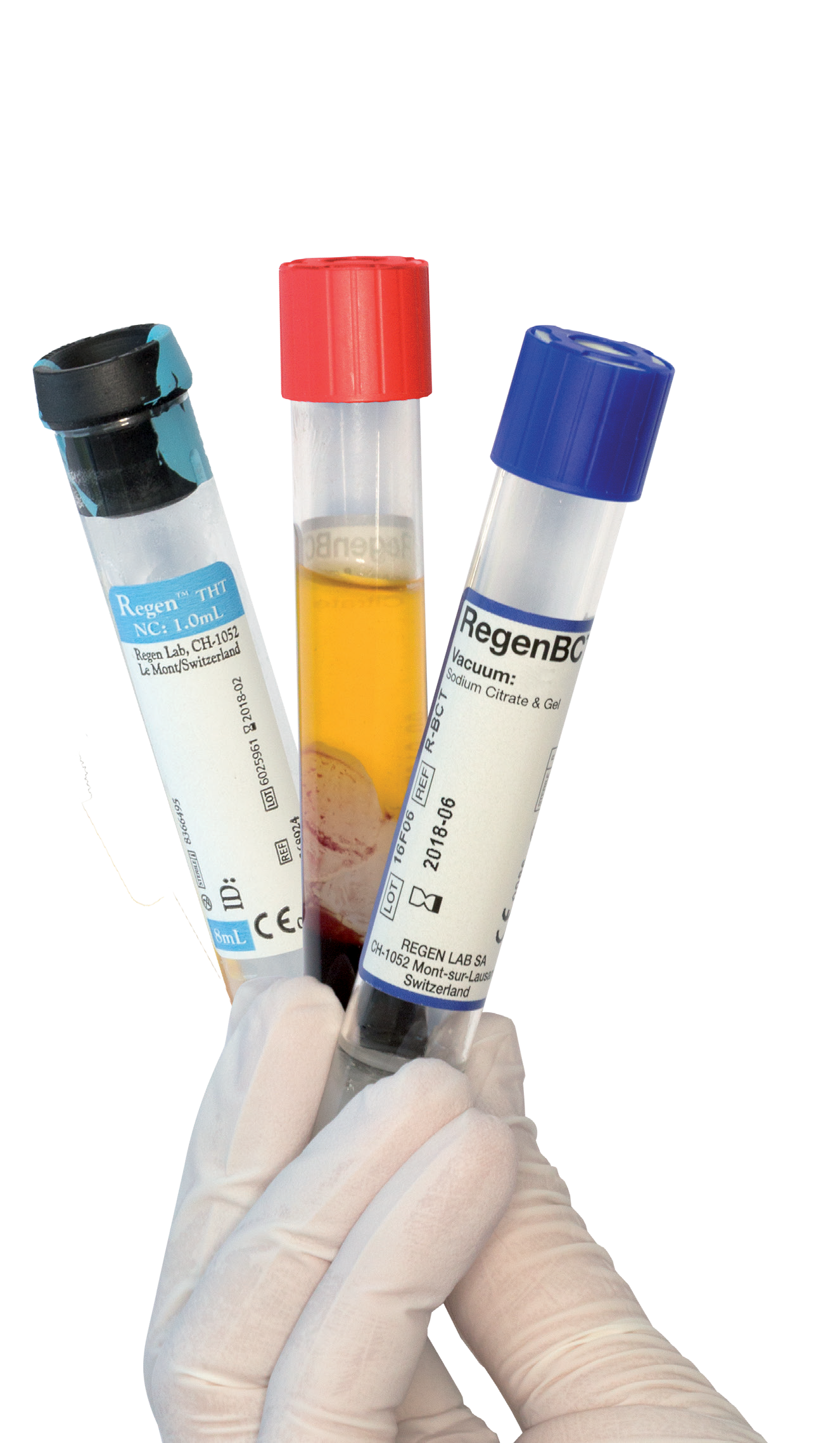
Over the years, Platelet Rich Plasma (PRP) therapy has dominated the aesthetics industry. Often mislabelled the ‘Vampire Facelift,’ PRP has received endless praise for its effectiveness in targeting and treating several indications.
Hailed as one of the safest aesthetic treatments available, PRP uses the natural components found within human blood to accelerate natural healing, stimulate collagen production, and restore tissue health.
How does PRP work?
The process of PRP begins with a clinician drawing a small amount of blood from a patient’s arm, similar to a regular blood test. The blood must be collected within a specially designed, PRP, medical device & then placed into a centrifuge which spins the blood and isolates platelets, and other nutrients including growth factors to produce platelet-rich plasma.
This plasma with platelets is then injected into the target area to encourage the body to begin its natural healing process which includes producing collagen & elastin to repair and rebuild tissue in the affected area.
Collagen is the most abundant protein within the body and is vital for overall skin and tissue health. With age, collagen production in the body slows down, which in the skin can manifest as signs of ageing.
What can PRP be used for?
Besides maintaining skin health, PRP is highly effective in treating several other indications around the body.
In skin care, PRP can be used to combat:
- Loss of volume
- Skin tone and laxity Fine lines and wrinkles
- Acne scarring
- Hair loss
- Complexion
- Rosacea
Around the body, PRP treatments can be used to treat:
- Gynaecological issues to restore a healthy sex life.
- Hair loss
- Chronic muscle injuries
- Tennis elbow
- Chondral injuries
- Golfer’s elbow
- Early osteoarthritis
- Chronic tendon injuries (including on the knees, ankles, elbows, and wrists)
With all PRP treatments, it is recommended that patients undergo several treatments for the best results. Each session should be spaced evenly to allow time for tissue restoration & long term healing.
Following treatment, some patients may experience slight swelling, bruising, and tenderness around the area. This is normal and should clear up within a few days.
As PRP is from the patient’s own blood, it is considered to carry very little risk of infection, making it one of the safest treatments available, as long as it is prepared using approved & regulated medical devices & in a safe clinical environment, by clinical staff.
Generally speaking, PRP is safe for everybody, however, certain conditions may impact its suitability, including:
- Pregnancy
- Hepatitis C
- HIV/ AIDS
- Cancer – including ongoing blood and skin cancers
- Cardiovascular disease, which requires blood thinning medication
For more information on PRP kits, or to get started with PRP in your clinic contact RegenLab.