
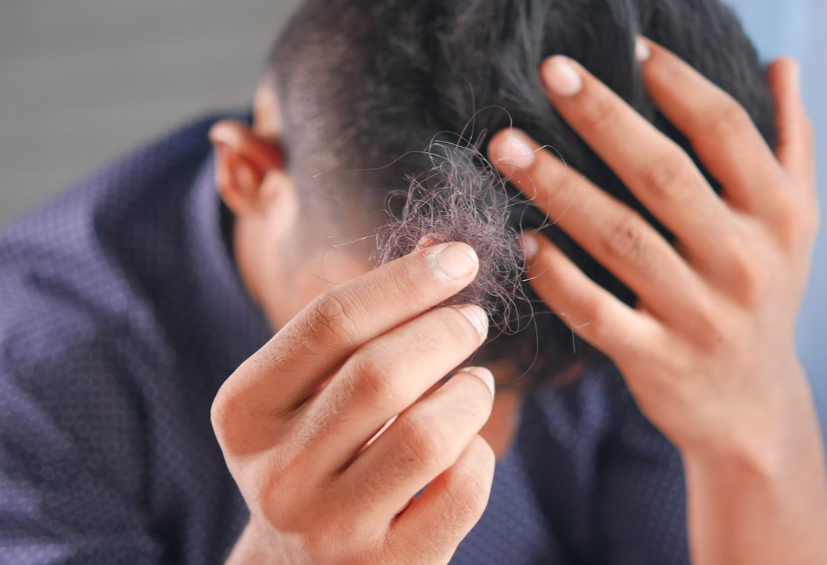
Does PRP work for hair loss? When it comes to Platelet Rich Plasma Therapy (PRP) this is one of the most frequently asked questions. In this blog, we will explore some of the most common causes of hair loss, and help you understand how PRP works to address it.
The main causes of hair loss
Hair loss can be devastating and have a severe impact on overall self-confidence and mental health. Typically, hair loss manifests when the hair follicles beneath the scalp remain dormant for prolonged periods. This can be caused by several reasons, but the most common one is male/ female pattern baldness.
Male pattern baldness affects up to 85% of men before the age of 50, and 40% of females. This condition is usually attributed to natural changes within the body that affect hormone production. Male/female pattern baldness can sometimes be referred to as androgenic alopecia.
However, several other factors could contribute to hair loss, including:
• Medications
• Family history (heredity)
• External Factors, including hair styling
• Medical conditions
• Natural aging
In cases of excessive hair loss, the patient may present visible bald patches on the surface of the scalp. Now, whilst some people prefer to let the hair loss run its course, others may find it severely debilitating and opt for treatment, such as PRP.
How does PRP Wok for Hair loss?
PRP is said to be a very effective course of treatment to address hair loss in both men and women. However, before undergoing treatment, we advise seeking the help of a GP if you are concerned your hair loss may be due to an underlying medical condition.
Platelet Rich Plasma Therapy harnesses the body’s natural healing abilities by using the key nutrients found within the blood to aid tissue regeneration and collagen production to stimulate dormant hair follicles.
Now, human blood carries several key nutrients that support overall health, including platelets that support coagulation, plasma that carries water and enzymes, and growth factors that support health.
In cases of hair loss, PRP treatment works by separating these key components from the blood. To do that, first, you must extract blood from the patient’s arm, and place it in a specially designed centrifuge. This centrifuge spins and separates the blood from the key nutrients needed for the treatment. These individual nutrients can then be injected directly into the scalp to target hair follicles.
Typically, patients require between 40-50 shots per session and are advised to undergo three treatments spaced eight weeks apart for optimum results.
Results should be visible between 4 – 6 weeks after the treatment course, this is because the hair follicles can take a little time to begin producing new hair. To maintain results, patients may be required to undergo regular maintenance treatments each year.
PRP treatments take around 40 minutes to complete and are a relatively non-invasive procedure. As it uses nothing but the patient’s own blood, it carries very little risk of infection, which makes it one of the safest treatments on the market.
Before undergoing treatment, patients considering PRP should consult a trained professional. Whilst PRP is considered safe for everybody, there are some medical conditions where it may not be advisable, including:
• Pregnancy
• Hepatitis C
• HIV
• Aids
• Blood cancer
• Skin cancer
• Cardiovascular disease, which requires blood thinning medication